
Blog
Fluted and Louvered Wall Panels in Delhi: Cost Drivers, Dust Upkeep and What Suits a TV Wall
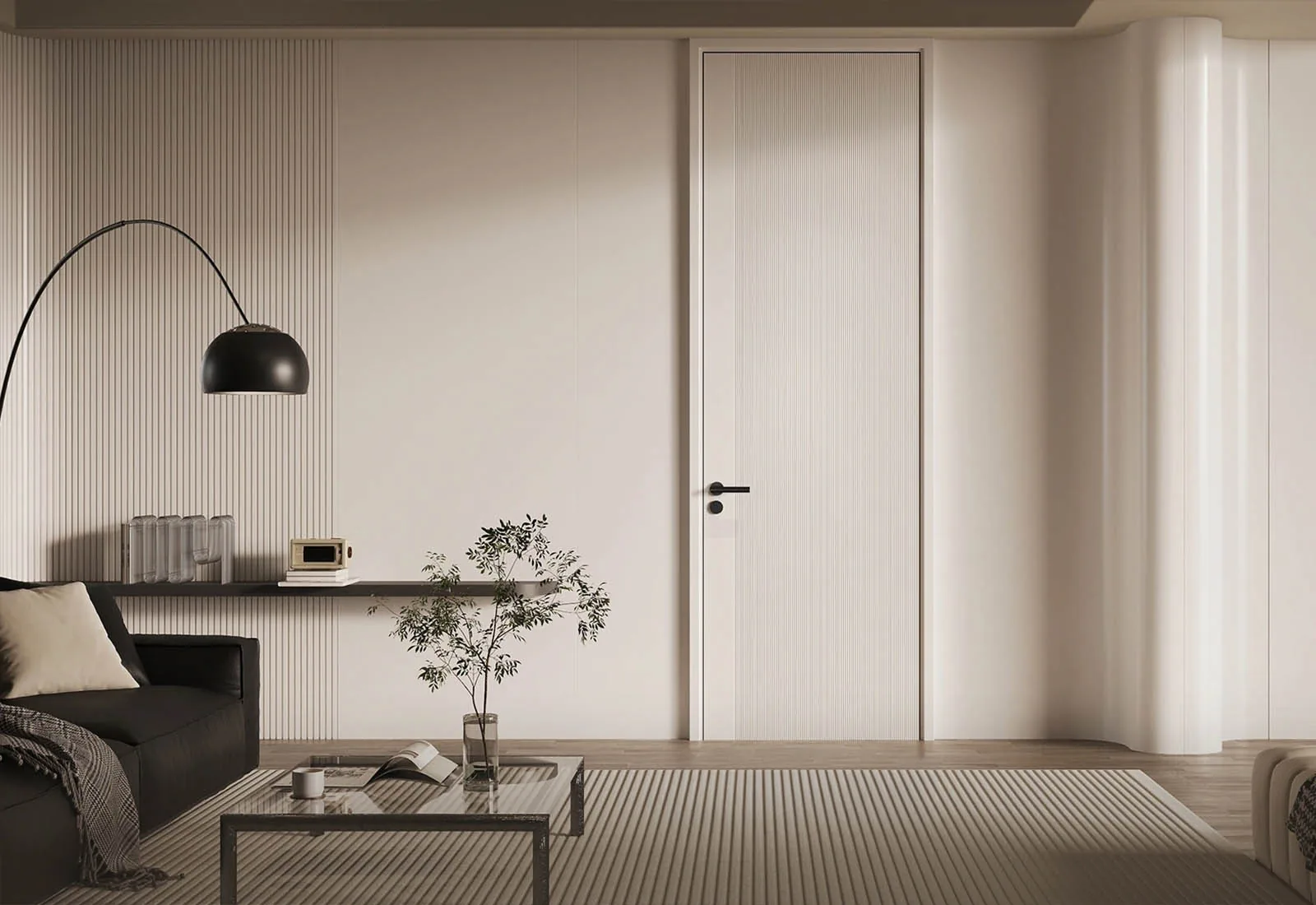
Fluted and louvered panels have become the most requested feature wall in Indian living rooms. They add depth, shadow and warmth behind a TV, and they make a plain wall look designed. They also come with questions people rarely ask before ordering: what really decides the cost, how much dust will the grooves collect, and what happens behind the panels where the TV cables run? This guide answers them.
What is the difference between fluted, louvered and slatted panels?
| Style | What it looks like | Best for |
|---|---|---|
| Fluted | Rounded, vertical ridges, like a series of half-columns | Soft, classic-modern feature walls |
| Louvered | Straight, flat-edged vertical slats with gaps | Sharper, contemporary looks and acoustic effects |
| Slatted | Thin wood or board strips set apart on a backing | Warm, natural, Scandinavian-style walls |
| Flat or raised panels | Smooth or framed surfaces | Minimal rooms and classical interiors |
The names overlap in everyday use, so ask to see the exact profile and finish on a sample.
What decides the cost of a wall panel?
There is no single "price per square foot" that works for every wall. These are the real drivers.
- Wall area. Height multiplied by width. Floor-to-ceiling walls cost more than half-height features.
- Panel material. MDF, HDHMR, veneer, solid wood and other options sit at different price levels.
- Finish. Laminate, veneer, lacquer and PU finishes have different costs and care needs.
- Profile and detail. Deeper, finer or more complex profiles cost more to make and fit.
- Backing and fixing. A frame or backing board, and the method of fixing to the wall.
- Lighting. LED strips, niches and wall washers add components and electrical work.
- TV and cable work. Cut-outs, hidden wiring and shelves behind the screen.
- Installation complexity. Corners, doors, sockets and uneven walls take more time.
Because of this, the only reliable way to know the cost is an itemised quotation based on your wall. Our general advice on comparing quotes applies here too: list every item, fix the same wall and compare like with like. The line-by-line approach in how to read a modular kitchen quotation works for panel quotes too.
Which material is best for a TV wall panel?
| Material | Strengths | Watch out for |
|---|---|---|
| MDF with laminate or paint | Smooth, takes detailed profiles well | Needs sealed edges and protection from moisture |
| HDHMR | Denser and more moisture-resistant | Check the grade and edge sealing |
| Wood veneer | Natural grain and a premium feel | Needs a good protective coat and gentle cleaning |
| Solid wood | Authentic and long-lasting | Costlier and can move with humidity |
| Laminate (HPL) | Durable and easy to clean | Fewer deep-profile options |
OPPEIN works with ten finish families, including laminate (HPL), lacquer, UV lacquer, wood veneer and solid wood. See them on the materials page, and read kitchen finishes compared to understand how each finish wears. The same finish logic applies to wall panels. For the board comparison, read HDHMR vs plywood.
Do fluted panels collect dust in Delhi?
Yes. Any panel with grooves or gaps gives dust somewhere to settle, and Delhi's dusty seasons make this more noticeable. You can manage it:
- Choose a smooth, easy-wipe finish rather than a rough or open-grain one.
- Keep a soft brush or microfibre cloth handy and run it along the grooves weekly.
- Use a vacuum with a soft brush attachment for deeper cleaning.
- Avoid very deep, narrow grooves if you want low maintenance.
- Seal the edges and the top so dust does not collect behind the panels.
A louvered design with wider gaps can be easier to clean than a very fine flute, but it depends on the backing and the finish. Ask to see and test a sample. The cleaning logic is the same as for cabinets; see dust-proof kitchen cabinets for Delhi.
What should I plan behind and around the TV?
Most problems with TV walls come from what you cannot see.
- Cables and conduits. Plan hidden wiring for power, HDMI and speakers before the panels go up, with access for later changes.
- Ventilation. Electronics need airflow. Do not seal a TV or set-top box into a closed cavity.
- Heat and safety. Keep wiring in conduits, keep heat sources clear of panels and follow electrical safety practice.
- Bracket strength. The wall and the backing must carry the TV bracket and its load.
- Lighting. LED strips behind or above the panels create a soft glow. Plan their power supply and driver access.
- Wall condition. Check for damp or seepage before fixing anything. Panels on a damp wall will fail.
Tell your designer the TV size, the speaker setup and any shelving you want, so the cut-outs are exact.
Can wall panels be fitted over an existing wall?
Usually yes, if the wall is sound and dry. Panels are fixed on a frame or backing, which also helps level an uneven wall. A good installer checks the wall first, plans around sockets and switches and treats corners and edges carefully. Check work hours and drilling rules first; see RWA and society rules for home renovation in Delhi.
How do panels work with doors and the rest of the room?
Wall panels look best when they relate to the rest of the joinery. OPPEIN's Wall Panel and Interior Doors range is designed so that panels, doors, wardrobes and kitchens share the same material language. You can browse the range on the products page, and an OPPEIN project takes about 12 to 15 weeks from the first design consultation to installation.
8 questions to ask before ordering a wall panel
- What is the panel material and what is the backing?
- What finish is used, and how do I clean it?
- How are edges and corners finished?
- Is lighting included, and who does the electrical work?
- What is included for the TV cut-out and cable management?
- How is the wall checked for damp or unevenness?
- Is the quotation itemised?
- Can I see a sample and a finished wall?
Frequently asked questions
How much does a fluted wall panel cost in Delhi?
There is no single rate. Cost depends on wall area, panel material, finish, profile, backing, lighting and TV work. Ask for an itemised quotation for your wall.
Do fluted panels collect dust?
Yes, the grooves hold dust. Choose a smooth finish and clean the grooves weekly with a soft brush or microfibre cloth.
Which material is best for a TV wall panel?
HDHMR and well-sealed MDF with a good finish are common choices, veneer gives a premium look and laminate is easiest to clean. Choose by finish, moisture and care needs.
Can wall panels be fitted over an existing wall?
Usually yes, if the wall is sound and dry. Panels are fixed to a frame or backing board.
What should I plan behind a TV wall?
Hidden wiring, ventilation, a strong bracket fixing, lighting and a check that the wall is free from damp.
See panel finishes in person
Visit the Experience Centre at Ground Floor, A-53, Okhla Phase 2, New Delhi 110020, Monday to Saturday, 10:30 to 19:00, or call and WhatsApp +91 84476 77346. Book a free design consultation and bring a photo and the measurements of your wall.